A MULTIETHNIC PROVINCE
Bucovina’s social diversity was shaped by migration, trade, and the meeting of many communities. Due to population shortages and for economic reasons, Bucovina underwent a carefully organized colonization program, offering tax exemptions and land grants, which attracted diverse ethnic groups from across the Habsburg Empire: Germans, Jews, Ruthenians, Poles, Russian Lipovans, Armenians, Hungarians, Czechs, Slovaks, and Italians.
GERMAN COLONIES AND INDUSTRY
Germans, both from within and outside the empire, established colonies focused on mining, forestry, glassmaking, agriculture, and various crafts. Mining flourished especially at Iacobeni, Cârlibaba, and Fundu Moldovei, while settlements such as Prisaca developed around these industries. These activities contributed significantly to the imperial treasury and transformed the mountain zone into a landscape of labor and resources.
URBANIZATION AND ECONOMIC GROWTH
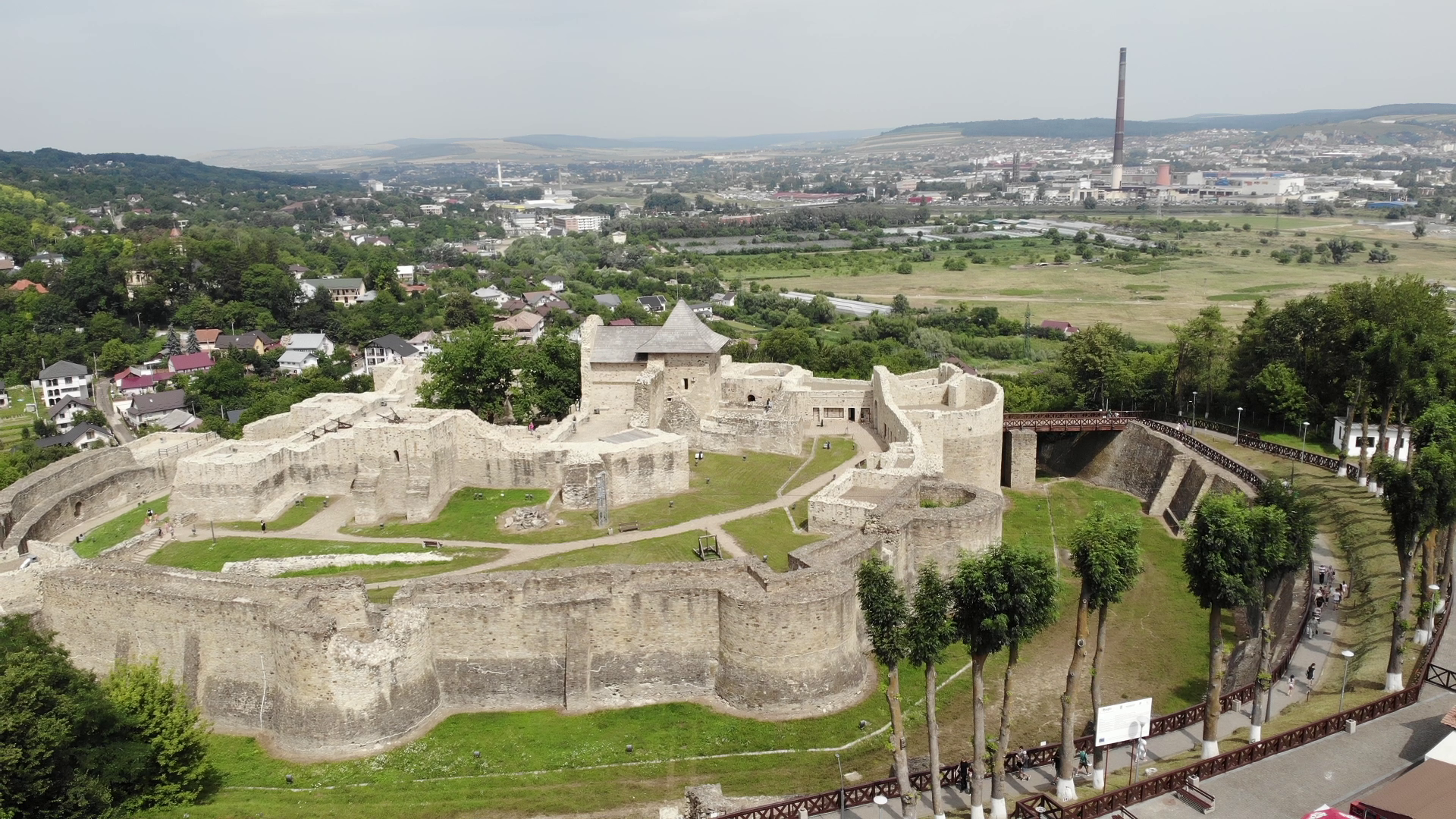
Economic growth spurred urban development in towns like Suceava, Siret, Rădăuți, Câmpulung Moldovenesc, and Vatra Dornei. Breweries, glassworks, paper mills, workshops, and mills multiplied, while spa resorts at Vatra Dornei, Cacica, Solca, and Iacobeni attracted visitors through mineral waters and salt springs, encouraging trade, urban growth, and early industrialization.
COMMUNITIES AND OCCUPATIONS
Many urban professions—in commerce, administration, law, and education—were increasingly occupied by German and Jewish residents. Other communities also contributed to the province’s development. Ruthenians settled mainly in agricultural areas along the Dniester, Ceremuș, and Siret. Poles established communities at Cacica, Solonețu Nou, and Poiana Micului, closely linked to salt extraction.
Armenians, long active in trade, expanded their role in commerce, estate management, and agriculture.
COLONIZATION POLICIES
Austrian colonization policies supported many of these settlements by offering land and resources to newcomers, encouraging stable settlement and economic growth.
Together, these ethnic communities shaped Bucovina into a province defined not only by coexistence, but by collaboration. Trade, industry, crafts, and daily life were built through the contribution of many peoples, giving Bucovina the multicultural character for which it became known.
SUCEAVA HISTORY MUSEUM