From Austrian administration to museum – a monument serving the community
━━━━ ◇ ━━━━━━━━━━━━━━━━━━━━━
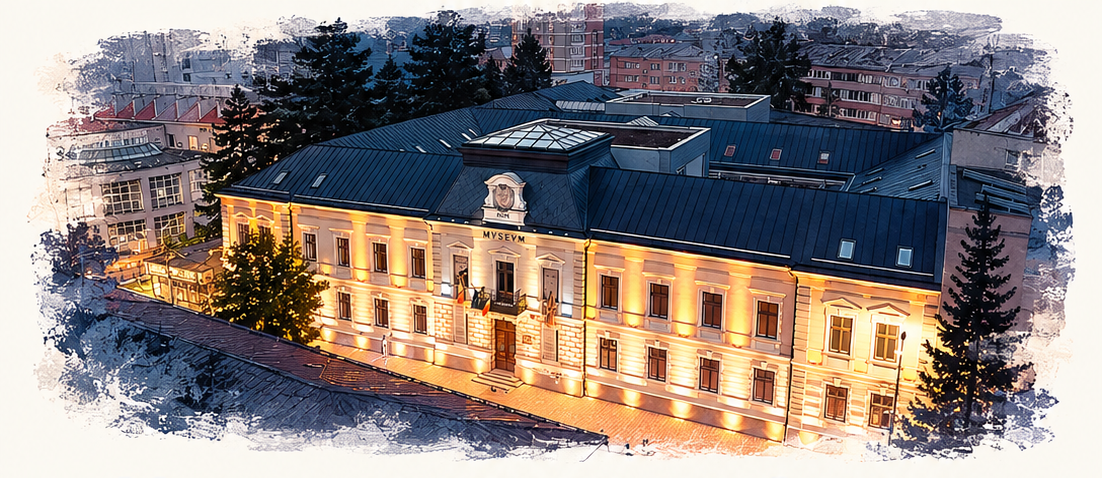
The building that houses the Suceava History Museum today is itself a heritage landmark. Erected at the beginning of the 20th century, during a period of profound urban modernization in Suceava, it is one of the most representative surviving buildings from the Austrian period and a landmark of the historic city center.
The building was designed in the early 1900s, and construction took place mainly between 1902 and 1903. The plans were drawn up by the Austrian architect Julius Bochner, and the building was originally intended for Suceava’s district administration. Its construction was part of the extensive modernization undertaken during the term of Mayor Franz Ritter von Des Loges, who led the city between 1891 and 1914 and played a decisive role in transforming Suceava into a Central European-style urban center.
ARCHITECTURE OF AUSTRIAN SUCEAVA
The building was designed in an eclectic style, with a predominantly Neoclassical character and Baroque-inspired elements, typical of administrative buildings of the period. The façade is symmetrically organized, while the central section, slightly projecting and higher than the side wings, emphasizes the monumentality of the main entrance.
On the upper floor, the wrought-iron balcony stands out, while above it is preserved one of the building’s most valuable decorative features: the imperial coat of arms of the Habsburg Monarchy, carved in sandstone and represented by the double-headed eagle. The tall windows, rustication of the ground floor, window surrounds, and relief decoration complete the sober and elegant appearance of a building designed to represent public authority.
The monument is part of an architectural ensemble that still evokes Suceava at the end of the 19th and beginning of the 20th century. Nearby stand the former Town Hall – today the Administrative Palace –, the Roman Catholic Church of Saint John of Nepomuk, and other administrative buildings from the period.
A BUILDING WHOSE FUNCTION CHANGED WITH THE CITY
The history of the building reflects the political changes experienced by Bucovina during the 20th century. After the Union of Bucovina with Romania in 1918, it housed the Prefecture and also served as the prefect’s residence. After 1944, it became the headquarters of the People’s Council of the city of Suceava.
A new wing was built in 1954–1955, similar in height and decorative style to the historic building, preserving the unity of the ensemble. A fundamental change came in 1968, when the building was assigned a museum function. Between 1976 and 1979, the interior was reorganized for the History Department and adapted to its new role.
FROM HISTORIC MONUMENT TO A MUSEUM FOR THE THIRD MILLENNIUM
Between 2014 and 2016, the building underwent its most extensive modern restoration and modernization as part of the European-funded project “A Heritage Building – Museum for the Third Millennium”. The interventions aimed to preserve the historic and architectural character of the monument while adapting it to contemporary museum standards. The historic façades and overall appearance were preserved, while the interior was adapted to modern requirements for exhibitions, conservation, and public access.
Today, the building is protected as a Category B historic monument, listed under LMI code SV-II-m-B-05480, with the historic designation “Former Prefecture, today the ‘Bucovina’ Museum Complex”.
ONE BUILDING, MANY HISTORIES
Inside, the permanent exhibition of the History Museum occupies 27 rooms and traces the evolution of communities in this region from the Paleolithic to the events of 1989. The collections of the National Museum of Bucovina today comprise almost 400,000 cultural objects, approximately half of them originating from archaeological research.
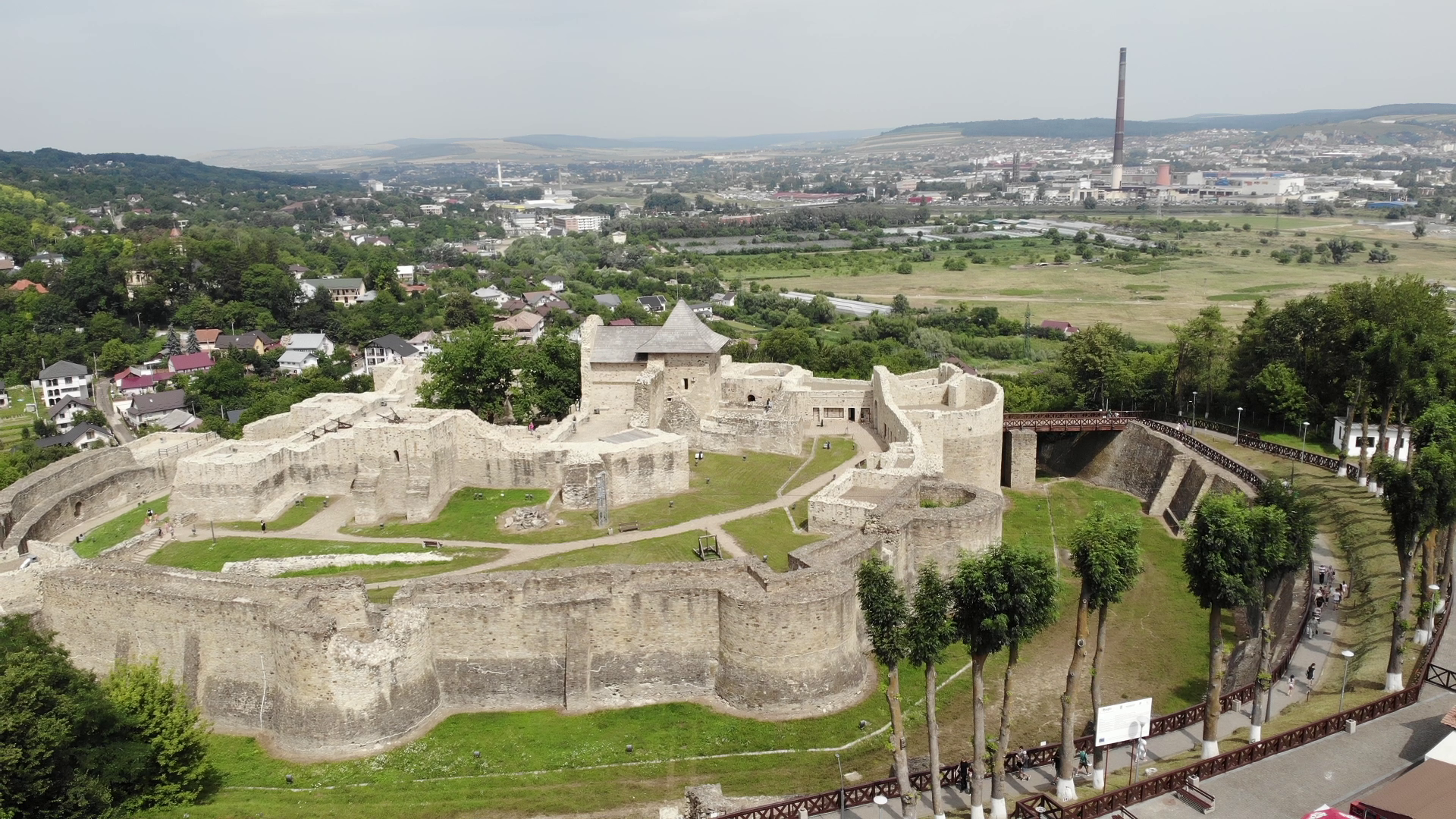
The museum institution in Suceava itself has a history of more than a century. Archaeological investigations at the Princely Fortress conducted by architect Karl A. Romstorfer demonstrated the need to preserve in Suceava the heritage discovered here. On 4 January 1900, the “Museum” Society was established with the aim of preserving and promoting the local cultural heritage. The first collections developed around finds from the Princely Fortress and were later enriched through research, acquisitions, and donations.
Over more than a century, the building has successively served as the seat of the Austrian administration, the Prefecture, the local administration, and a museum. Its functions changed together with political regimes and the transformation of the city, yet the building remained a constant landmark in the center of Suceava.
A visit to the History Museum therefore begins even before entering the first exhibition room. The building is itself an exhibit: a monument preserving the memory of Austrian Suceava, Romanian administration, and the transformation of a public institution into a space dedicated to heritage and the community.
SUCEAVA HISTORY MUSEUM