COINS AND ECONOMIC CONNECTIONS
The monetary circulation in medieval Moldavia provides a complex picture of the economic, political, and commercial connections of the Moldavian state. Alongside its own coinage, which appeared toward the end of the 14th century, numerous foreign coins circulated in the area between the Carpathians, the Dniester, and the Black Sea, coming from neighboring kingdoms—Hungary and Poland—as well as from Bohemia, the Genoese colonies on the Black Sea, and the Ottoman Empire.
FOREIGN COINAGE
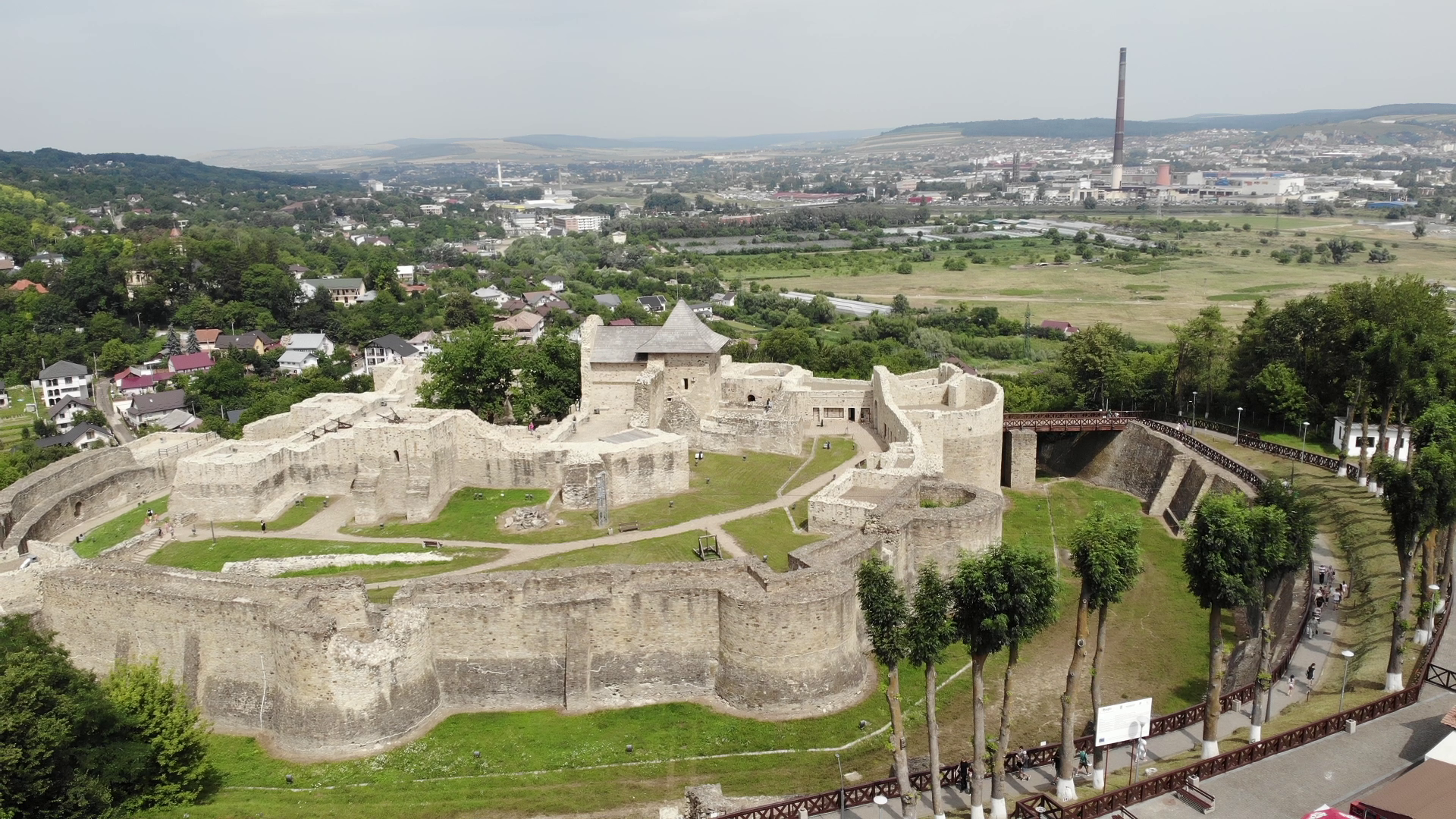
A notable example is the Prague groschen, coins minted in present-day Czechia, found both in the tombs of the first Moldavian rulers at Rădăuți, in the voivodal necropolis of Saint Nicholas Church, and in the monetary treasure found on the plateau in front of the Princely Fortress. This treasure is complemented by other coin finds from archaeological excavations in Suceava and across the county.
A particularly noteworthy discovery comes from the Armenian monastery Hagigadar – Assumption of the Virgin, where a ritual treasure was identified, consisting of seven coins issued during the reign of Bogdan III, son of Stephen the Great.
THE MOLDAVIAN MONETARY SYSTEM
Today, the National Museum of Bucovina holds an almost complete collection of coins belonging to the Moldavian rulers. Most come from discoveries in Suceava, as well as from the former urban centers Baia and Siret. The first local coin issue dates from the reign of Petru I Mușatin and is closely linked to the establishment of the Moldavian trade route at the end of the 14th century. The monetary system he established remained in effect for nearly a century, later reformed by Petru Aron and perfected by Stephen the Great.
Coins issued during Stephen the Great’s reign stand out for their smaller size but superior silver quality and elegant execution. After the ruler’s death, older coin patterns were gradually reinstated, and quality declined, a phenomenon accentuated during the reigns of Bogdan III and Ștefăniță, when crudely made, silver-plated coins appeared, with the legend written in Slavonic for the first time.
Alongside the princely coinage, foreign coins circulated in Moldavia, brought by merchants from Hungary, Poland, Bohemia, and the Genoese colonies of the Black Sea.
TRADE AND CUSTOMS
An essential document for understanding the economic policy of the Moldavian state is the commercial privilege granted by Alexandru cel Bun to merchants from Lviv in 1408. The text, reproduced in full, provides detailed information about customs regulations, customs points, and the cities along the Moldavian trade route—from Chernivtsi and Siret to Suceava, Iași, Tighina, and Cetatea Albă—as well as the goods transported and the taxes collected.
SUCEAVA HISTORY MUSEUM